In Conversation With
Joy de L’Hermite
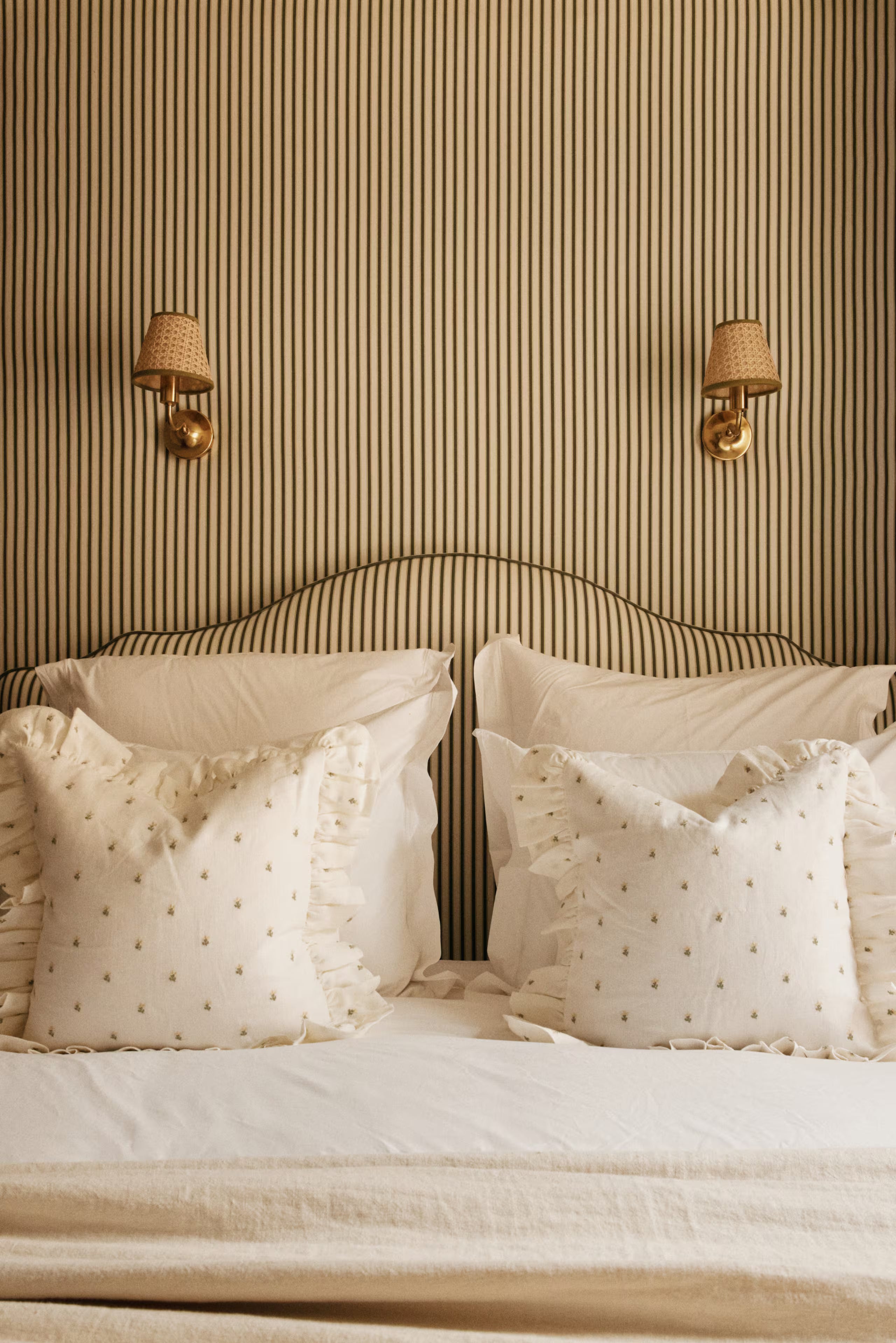
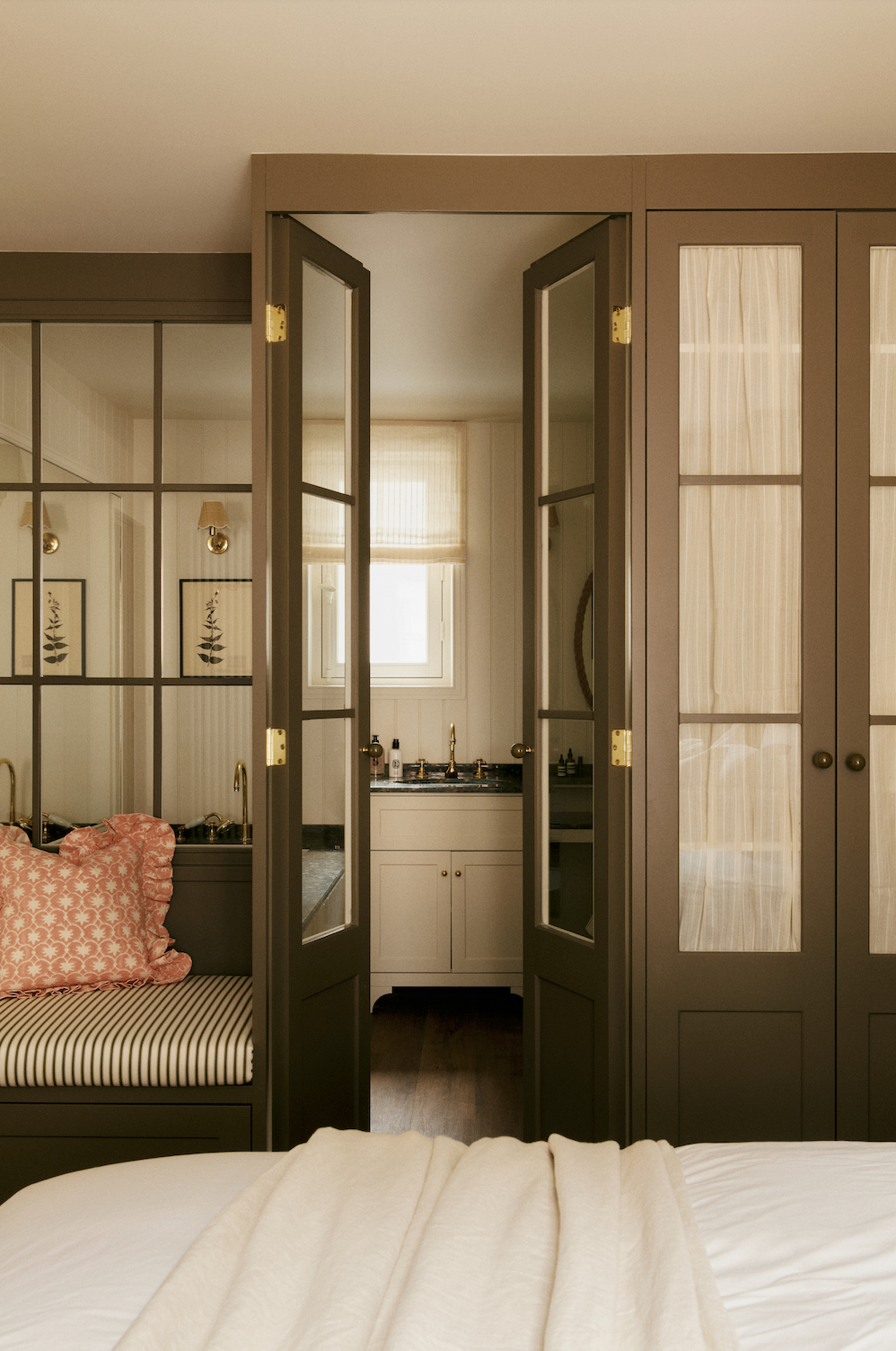
This month we're shining a spotlight on Cottage Mazarine, a quiet duplex tucked around a courtyard in Saint-Germain-des-Prés and designed by Joy de L'Hermite, the interior architect behind Studio JLH. A countryside home in the heart of the city: soft stripes, warm brass, panelled walls and a stone fireplace made for long, slow evenings in. Keep reading to find out more about the project and the pieces that found their place in it.
Photography by: Clément Gérard
Q&A
On Approach
You move between architecture and interiors — the bones of a space and the softness of how it's dressed. When you begin a project like this one, where do you tend to start: with the structure of the room, or with a feeling you want it to hold?
I almost always begin with a feeling. Before thinking about layouts or finishes, I ask myself how I want someone to feel when they walk through the door. I want my interiors to feel warm, comforting and lived in, almost as though they've always existed.
Architecture then becomes the framework that allows that feeling to happen. I rethink proportions, create bespoke joinery, shape the circulation and bring coherence to the space. Once the bones are right, I layer materials, textiles, antiques and lighting to build a home that feels collected over time rather than newly created.
On Old and New
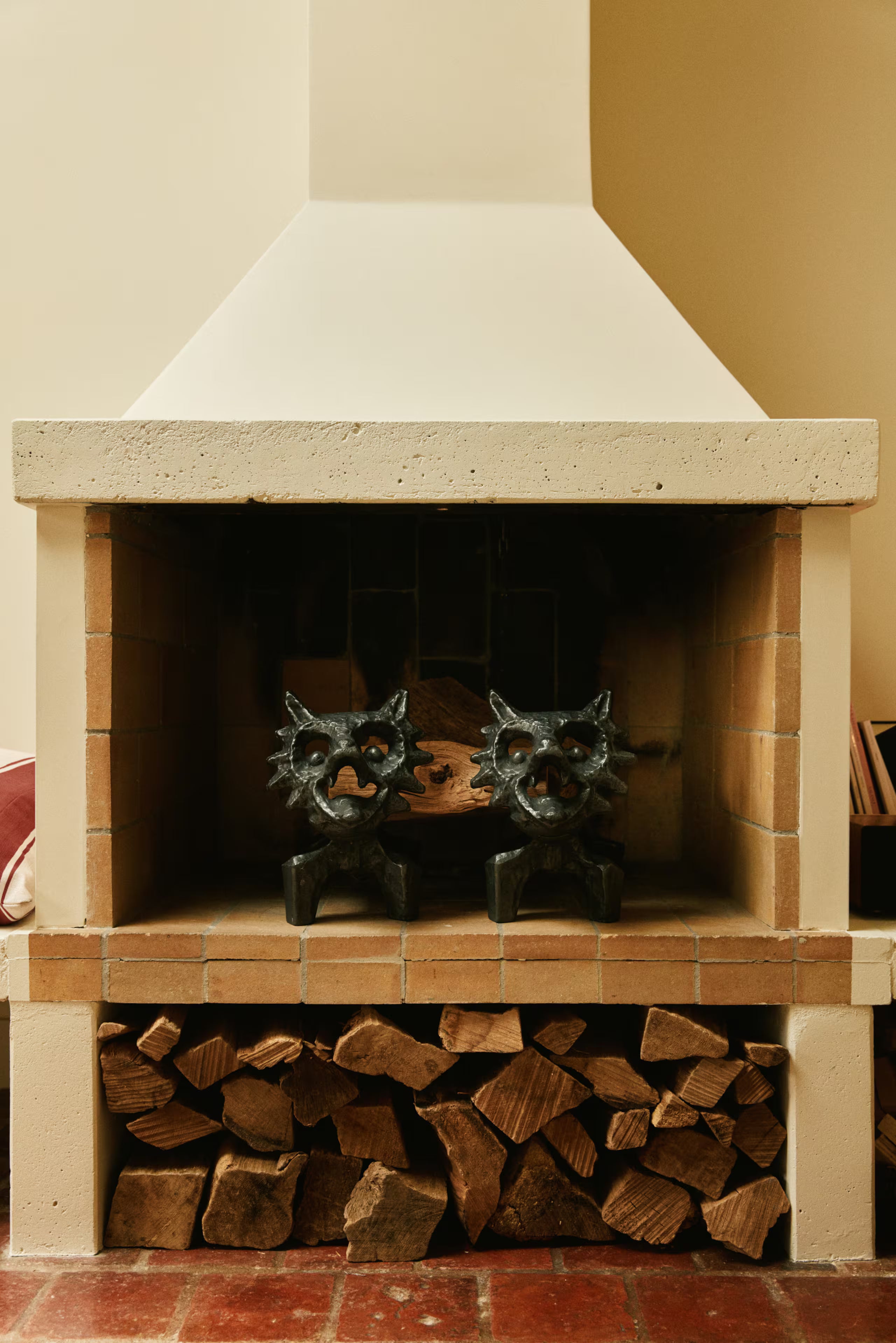
There's a lovely sense of age here — the antique brass, the panelling, the fireplace — sitting alongside newer pieces. How do you balance the vintage and the contemporary so a room feels collected rather than decorated?
I'm always looking for balance rather than contrast. I love antique pieces because they immediately bring character and a sense of permanence, but they need to sit comfortably alongside contemporary elements that answer today's way of living.
For me, an interior shouldn't feel designed in one moment. It should feel as though it has evolved naturally over the years. Mixing bespoke joinery with vintage furniture, handcrafted lighting and timeless fabrics helps create that impression of a home with history.
On Light
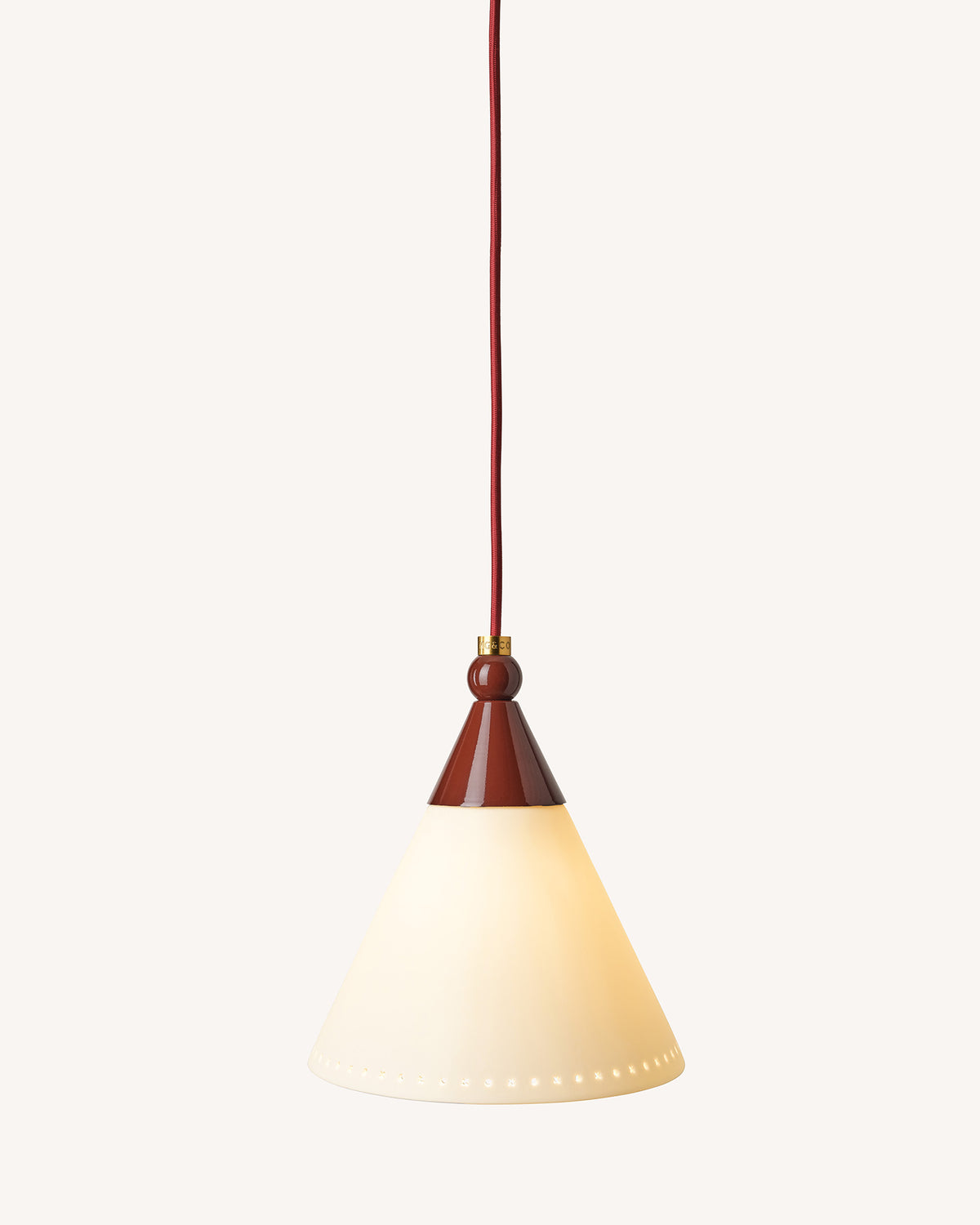
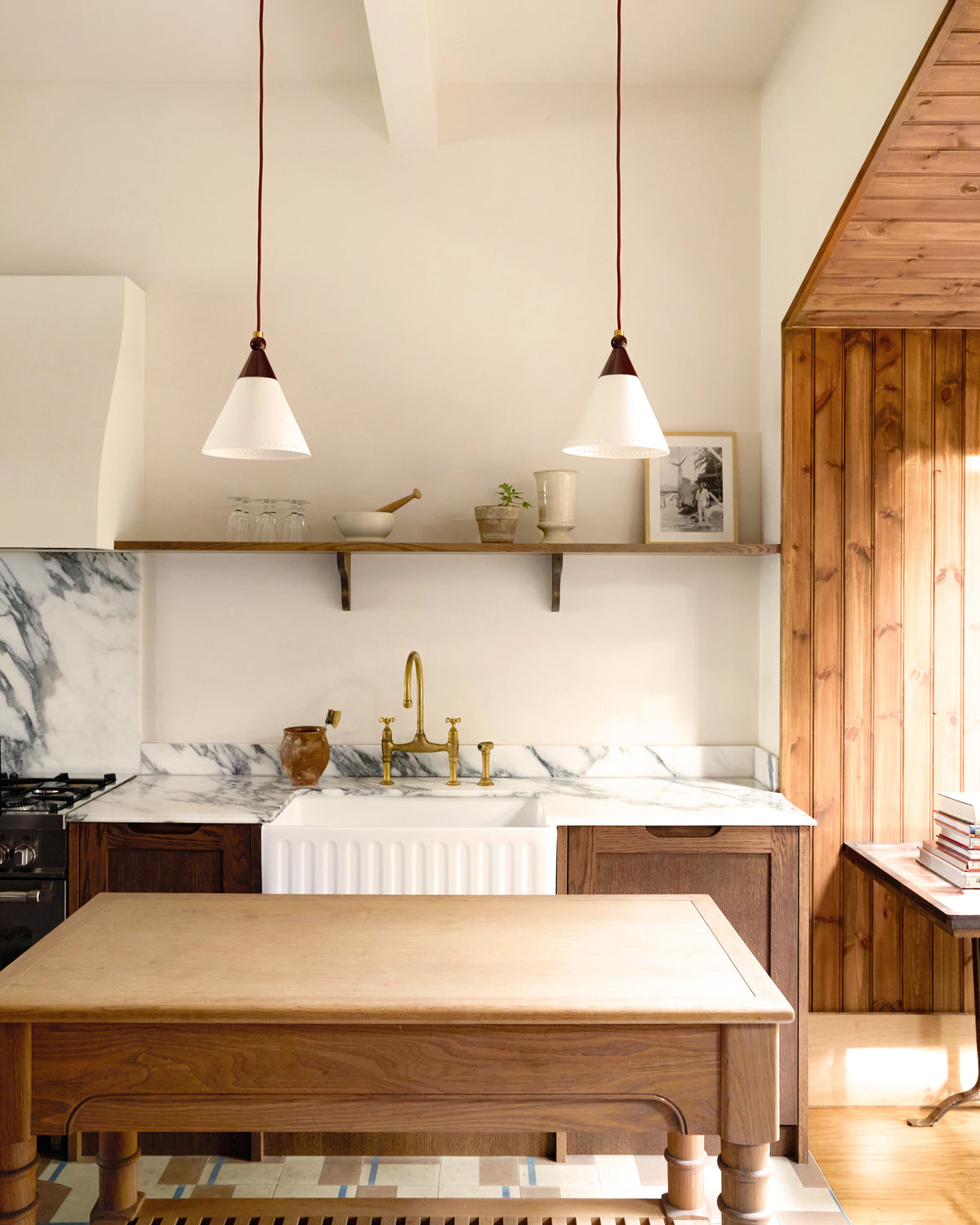
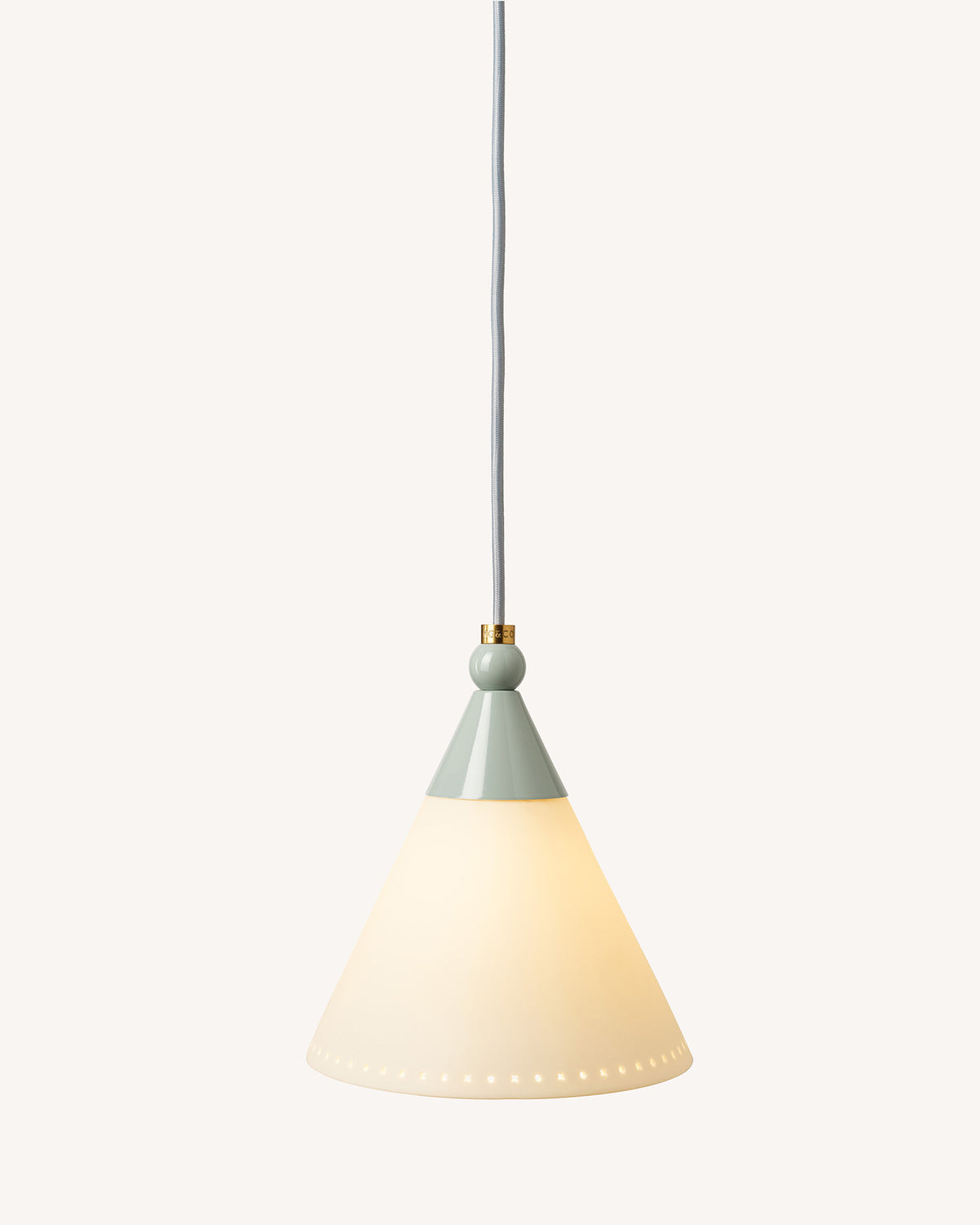
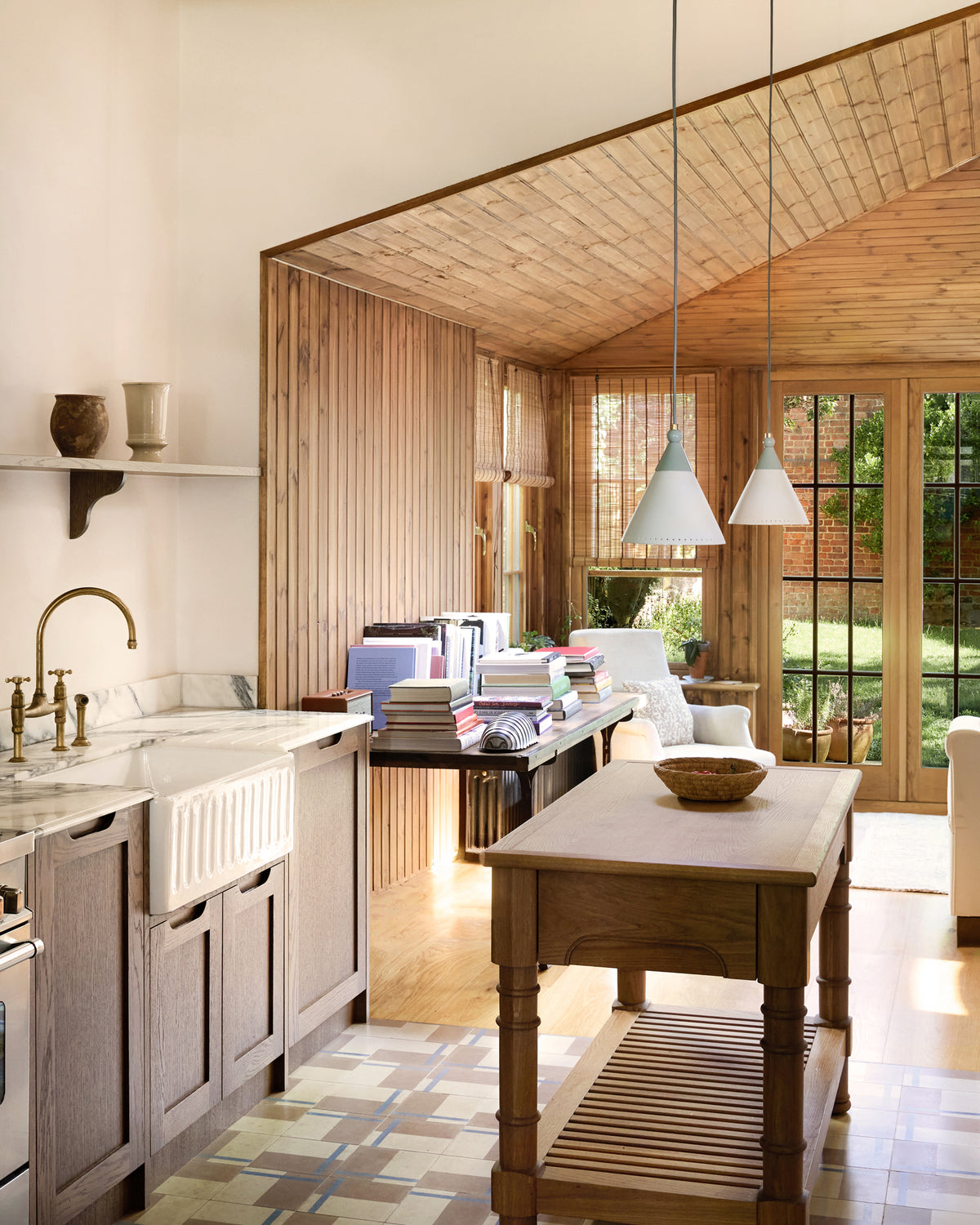
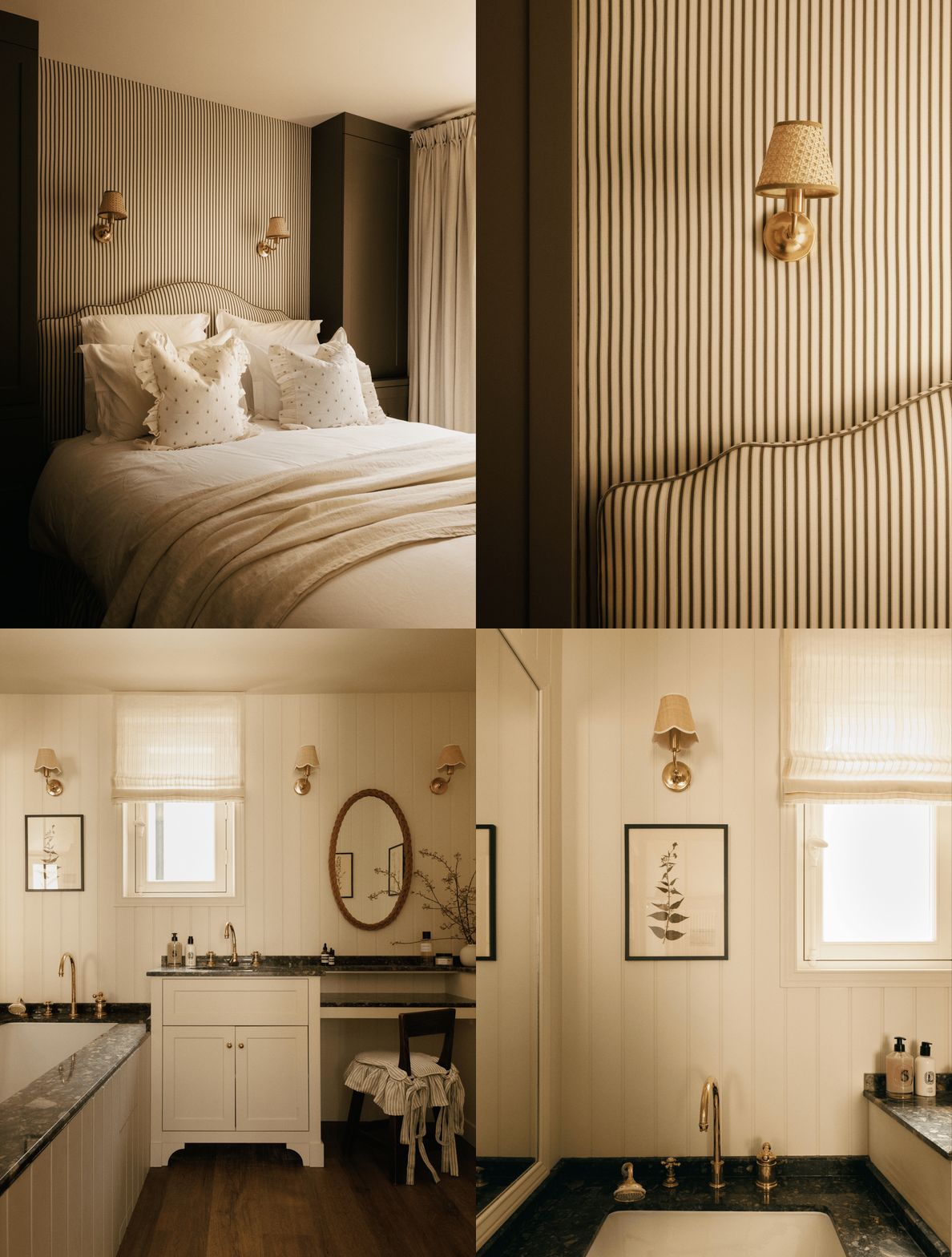
Lighting does so much of the quiet work in these spaces, from the wall lights framing the bed to the softer glow in the bathrooms. How do you think about light when you're designing a room, and what drew you to the pieces you chose here?
Lighting is probably one of the most important elements of a project because it shapes the atmosphere more than people realise. I rarely think of lighting simply as something functional, it's what makes a room feel welcoming at the end of the day.
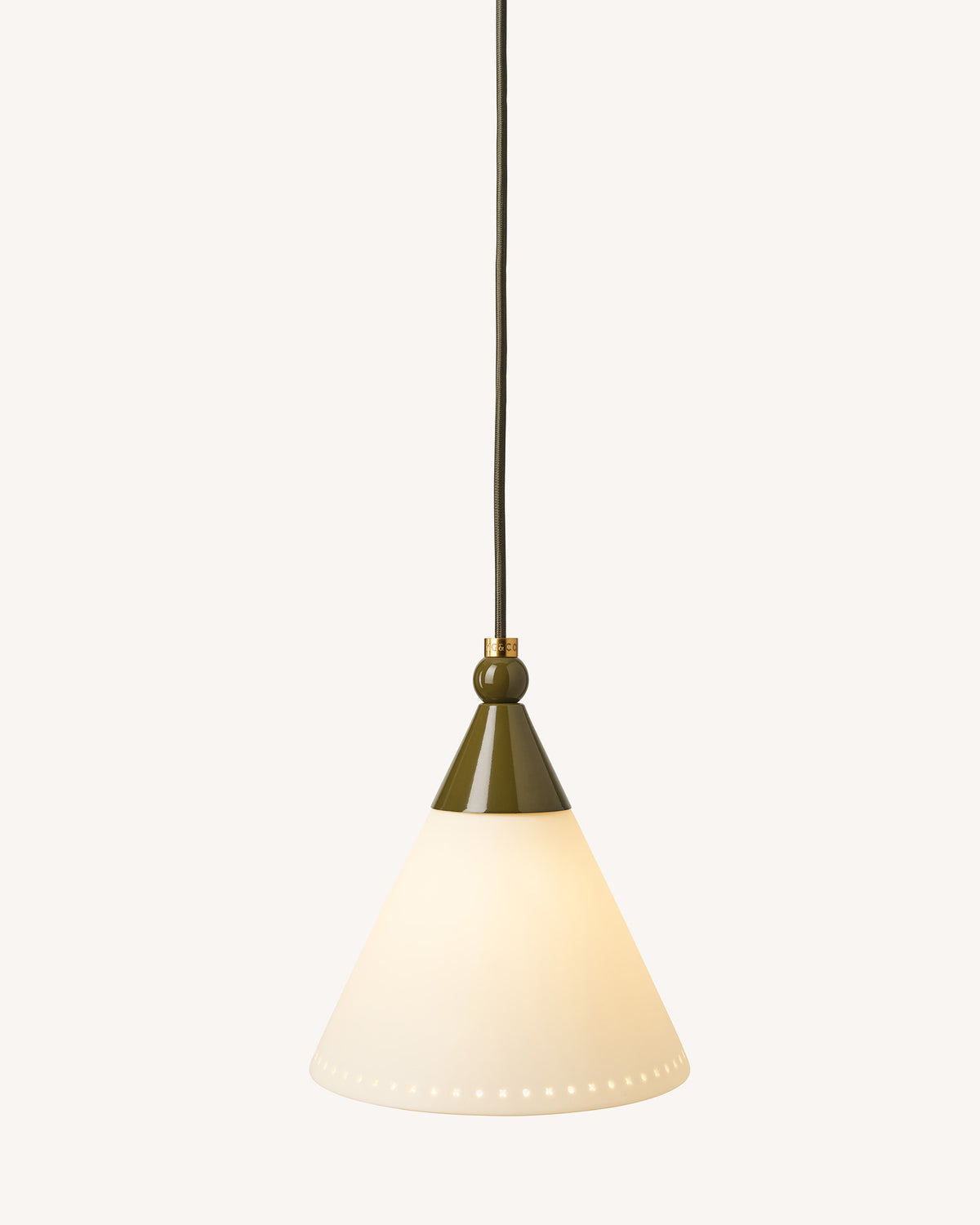
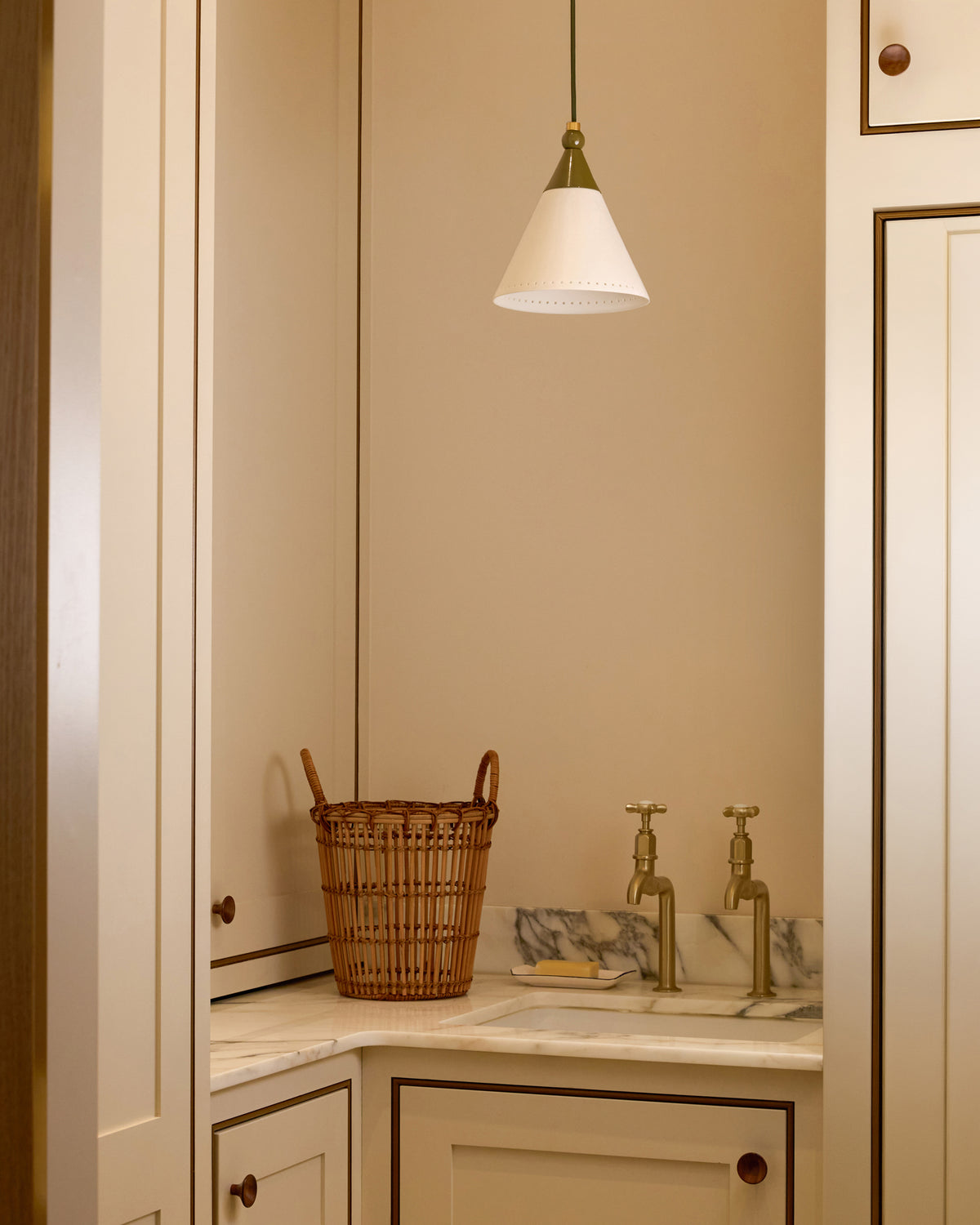
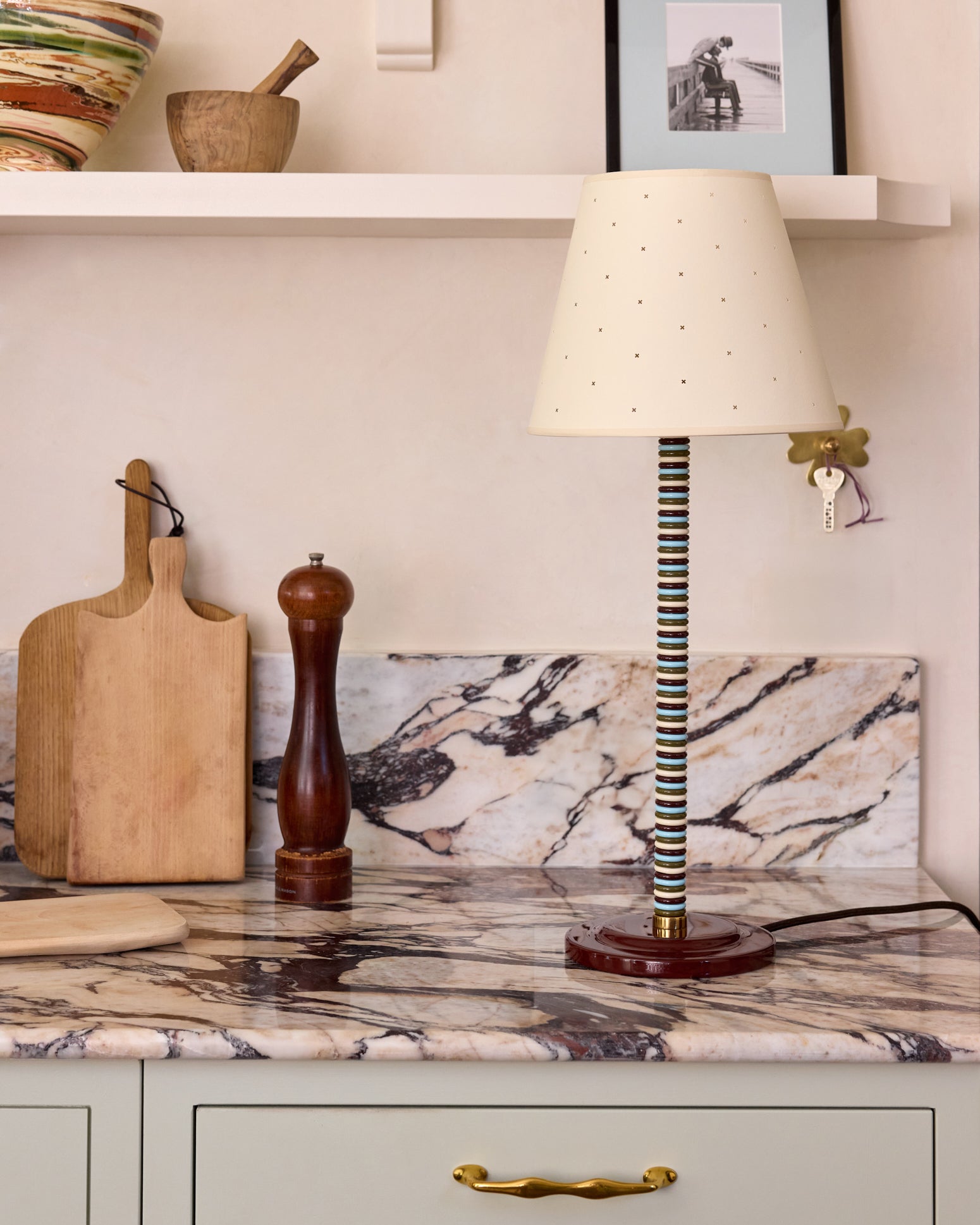
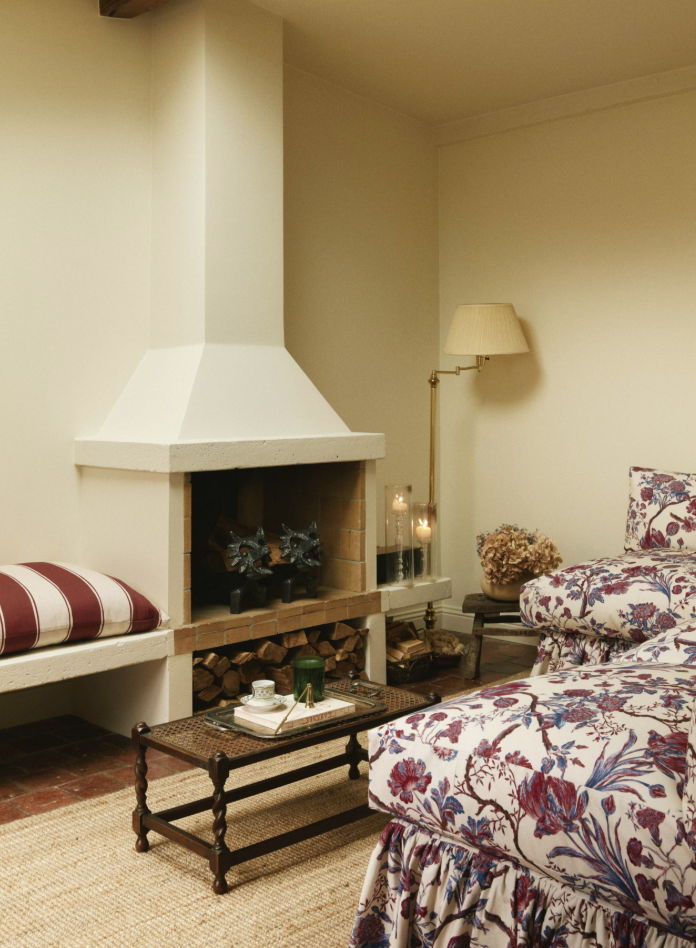
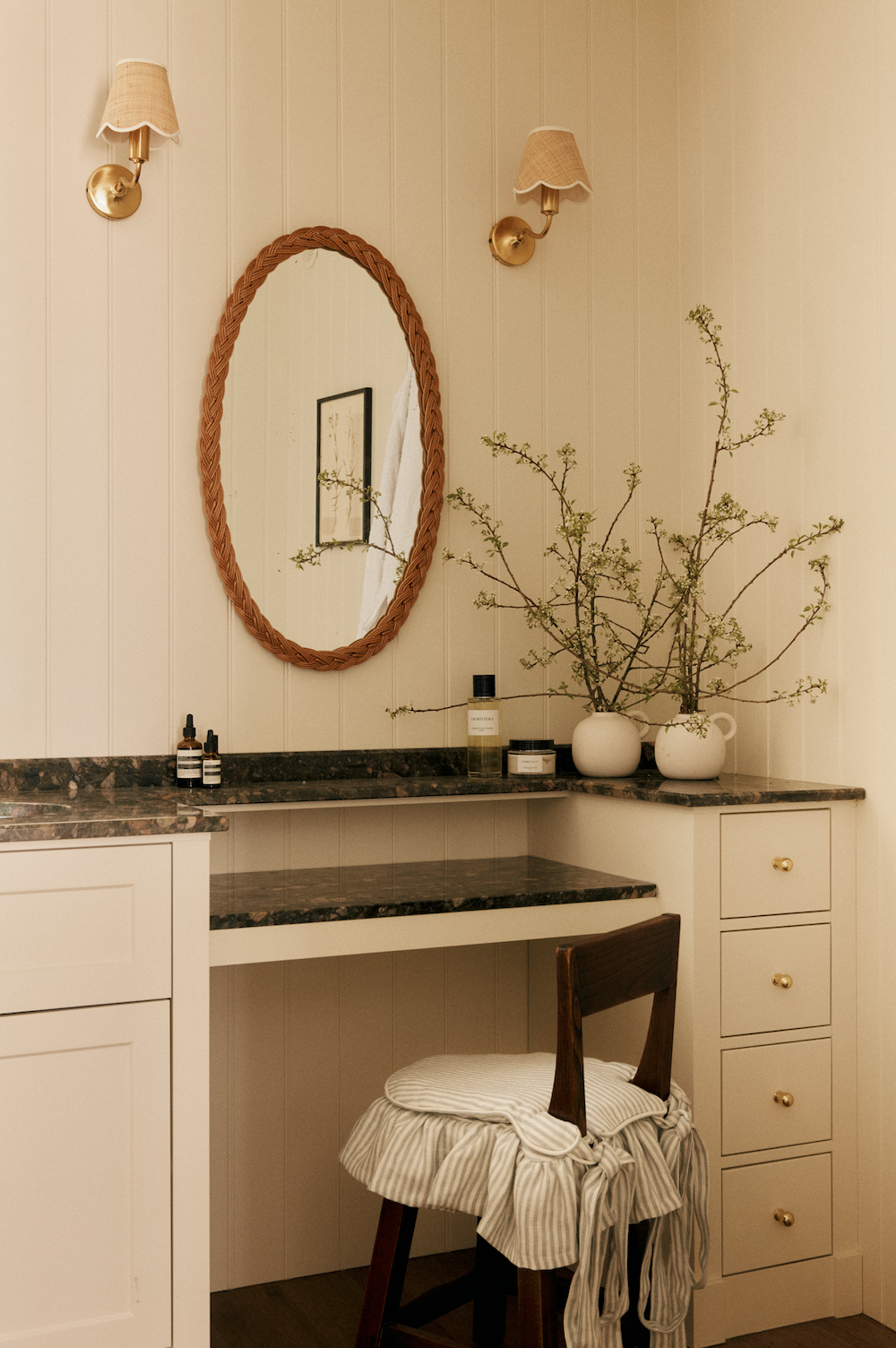
I like layering different sources of light rather than relying on ceiling fixtures alone. Wall lights, table lamps and softer ambient lighting create intimacy and allow each room to evolve throughout the day. For this project, I chose timeless brass fixtures with fabric shades because they diffuse a warm light while reinforcing the English-inspired character of the interiors.
On Colour and Fabric
The palette feels warm and easy to live with — soft neutrals, stripes, the odd floral. How do you decide which colours and fabrics feel right for a home, especially one meant to feel restful?
I like colours that age gracefully rather than colours that make a statement for a season. I tend to work with earthy greens, warm creams, soft ochres and muted tones because they create calm and allow natural materials to shine.
Textiles are equally important. They're what bring softness and personality into a space. I often use stripes, florals and natural linens because they have a timeless quality. Coming from an Anglo-Saxon design tradition, these patterns tell a story, they feel familiar, comforting and never overly formal. They help create interiors that feel both elegant and deeply lived in.
On the Details
The finishing touches feel so considered, right down to the smallest fittings. Are the details something you know from the start, or do they tend to fall into place once the bigger decisions are made?
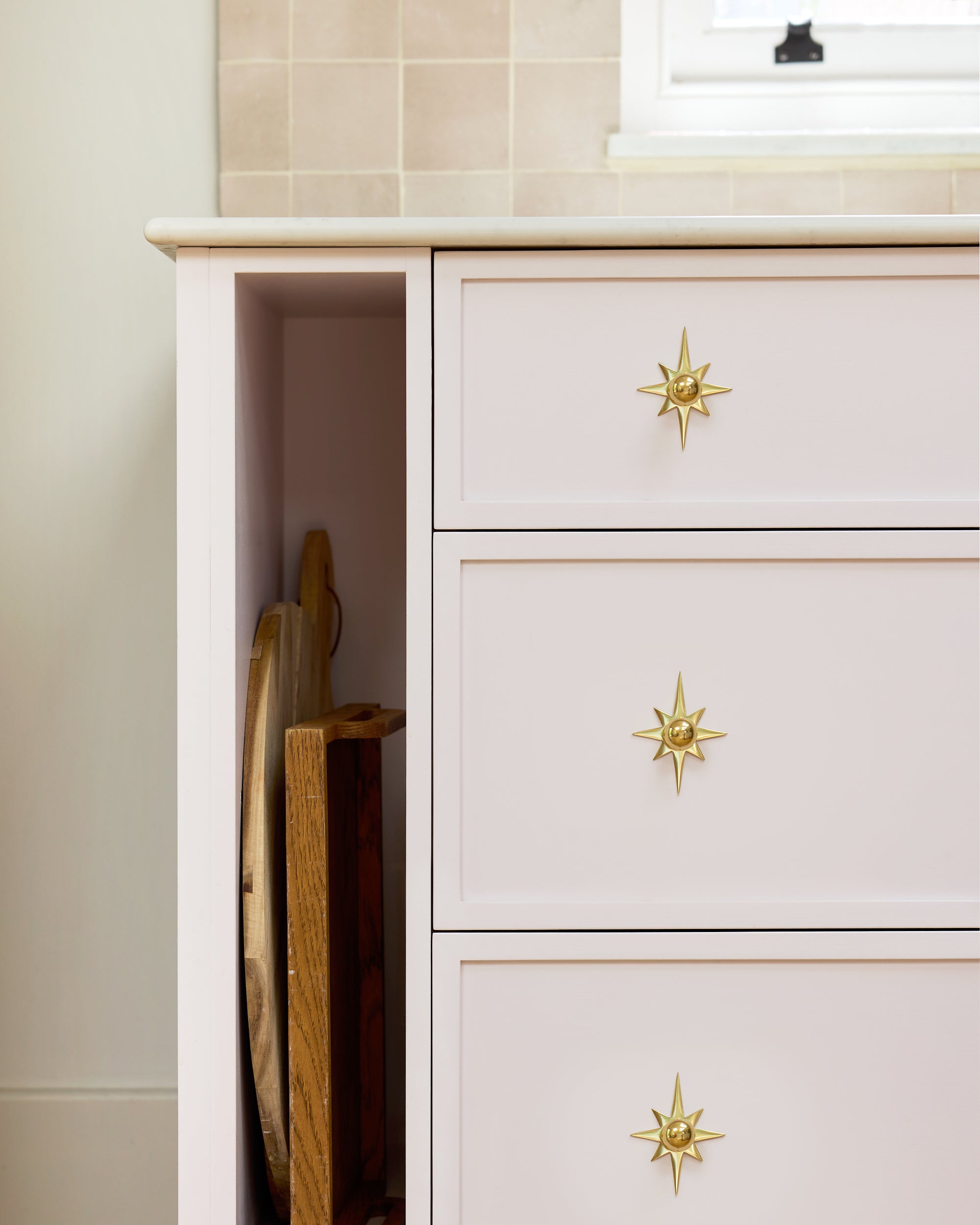
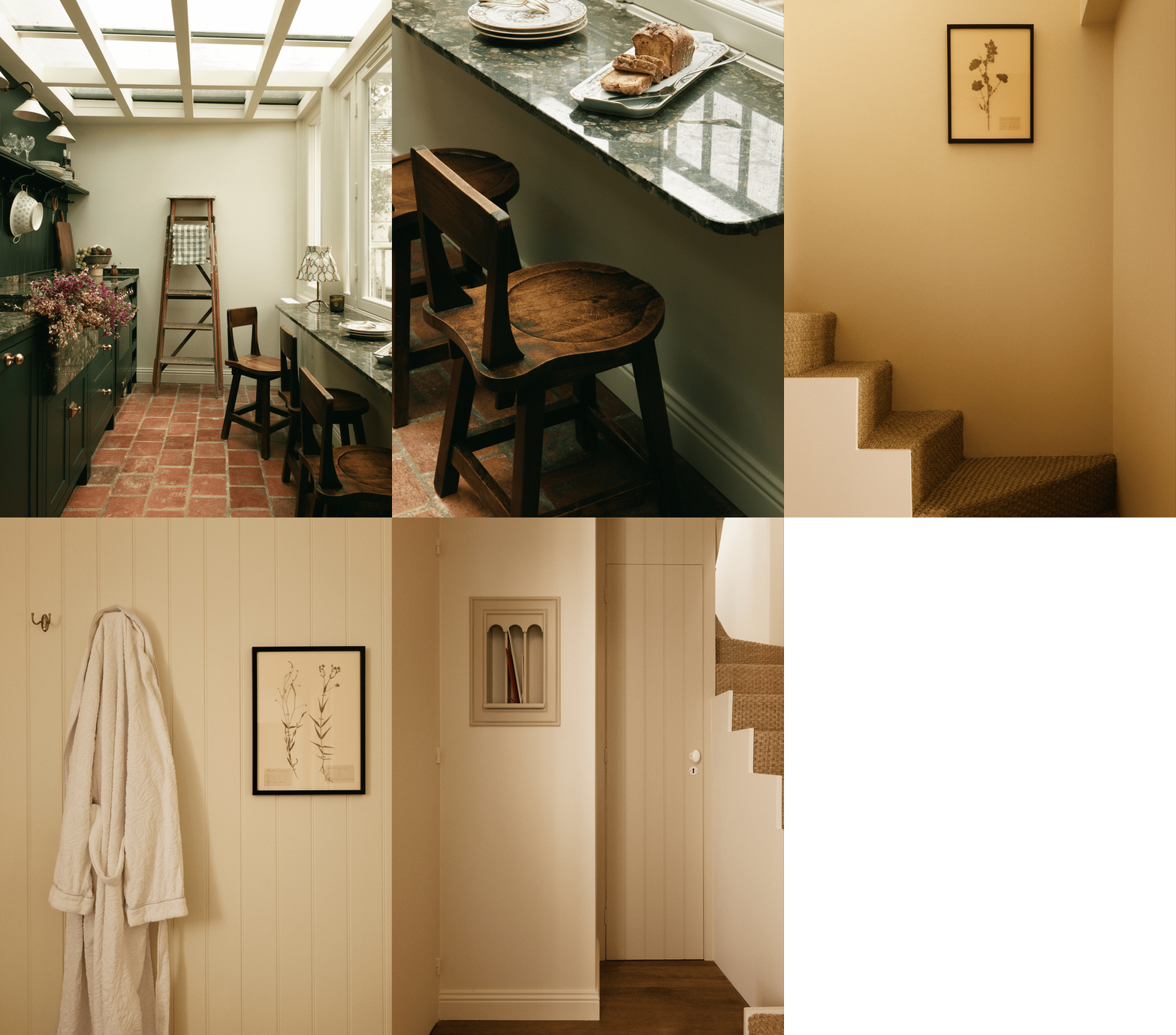
The details are never an afterthought, but they reveal themselves gradually. I establish the overall narrative very early on, then every handle, tap, light fitting or trim has to contribute to that story.
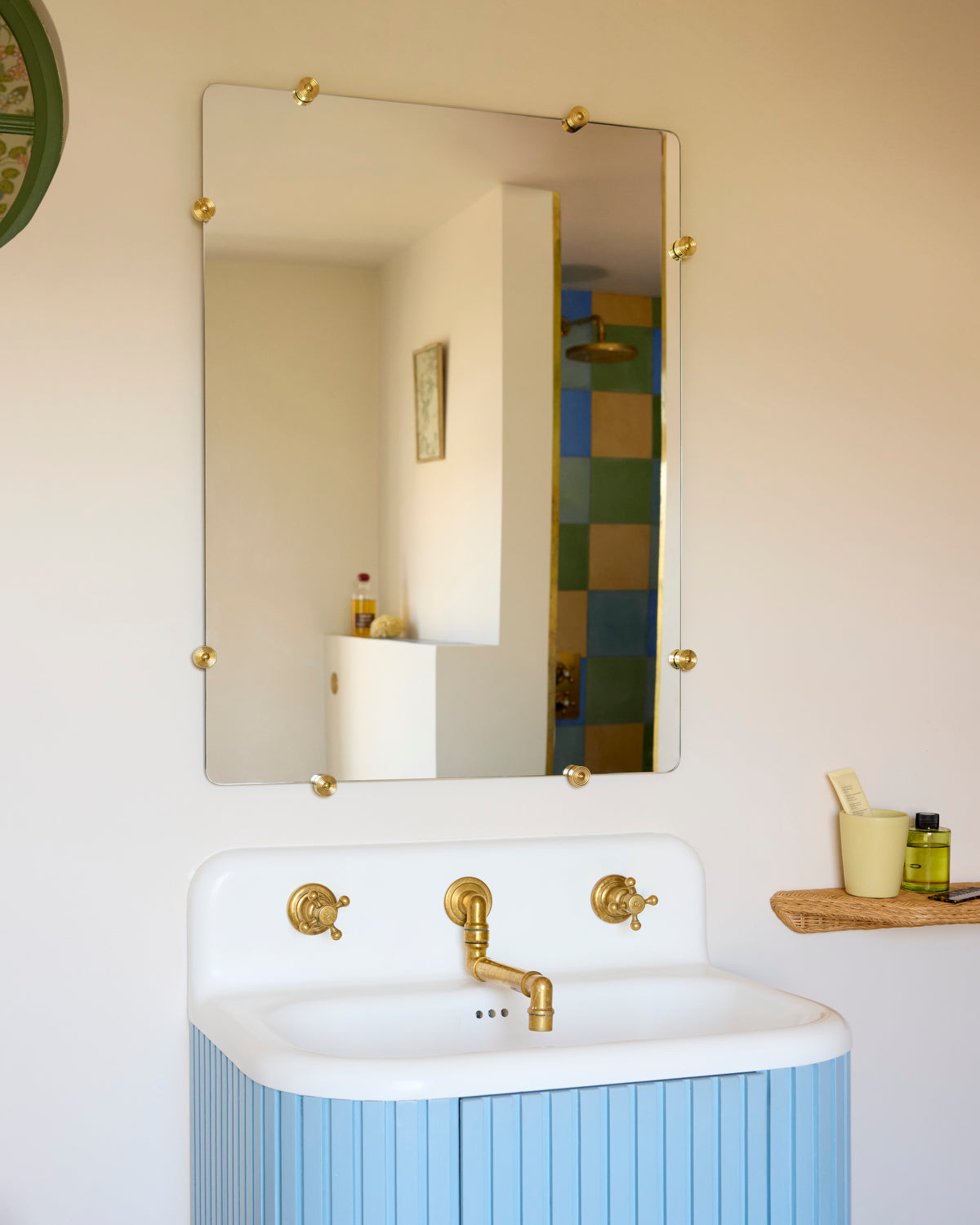
I enjoy spending time on those seemingly small decisions because they're often what gives a project its authenticity. They're subtle, but together they create the feeling that everything belongs exactly where it is.
On Place
There's something unexpected about a cottage tucked into the middle of Paris. Was that contrast — English warmth, a Parisian address — something you leant into, and how did the location shape the mood you were after?
Absolutely. I loved embracing that contrast.
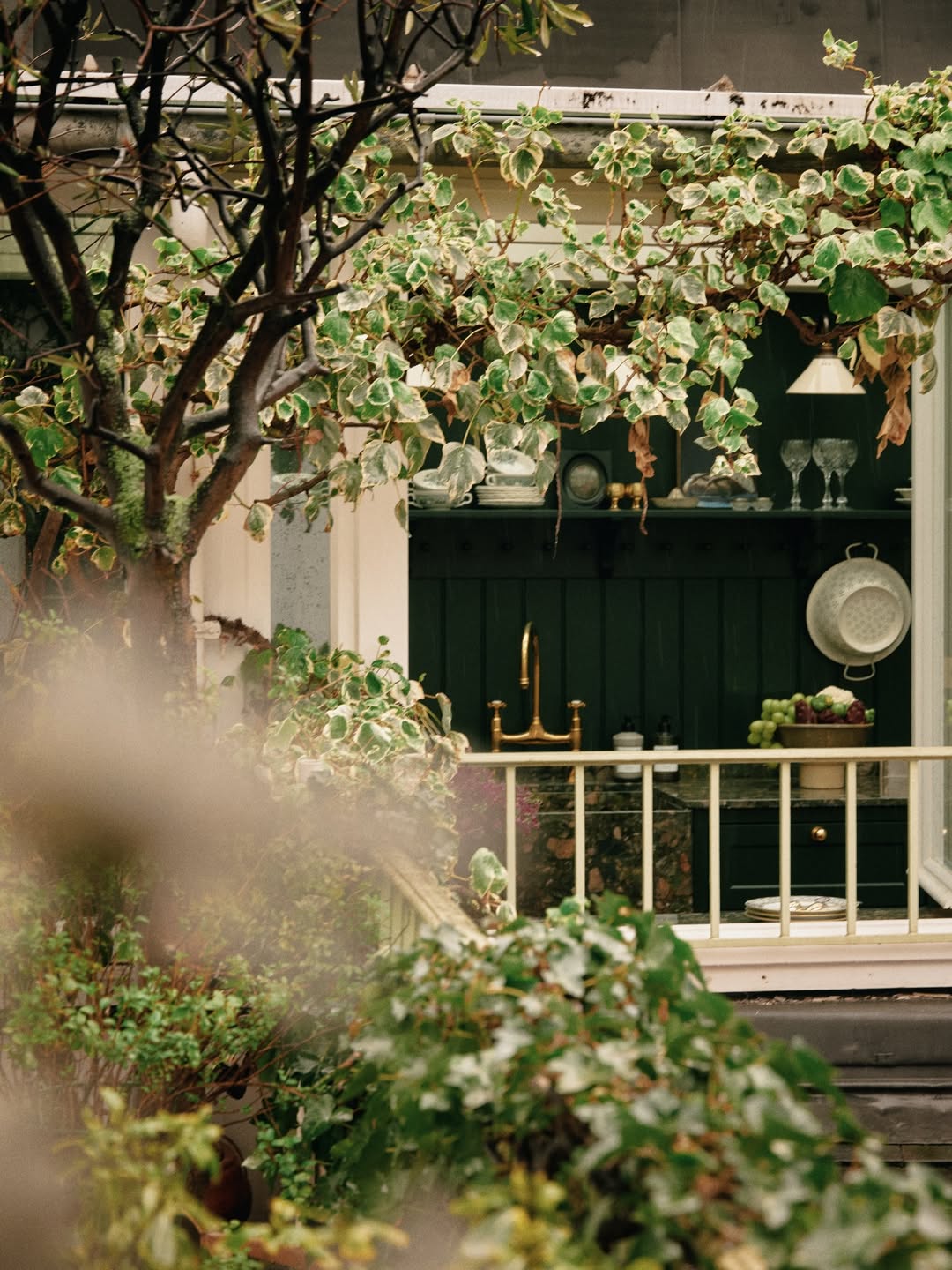
Paris is often associated with Haussmann apartments and a certain formality, whereas this project invited something softer and more intimate. I wanted it to feel like discovering an English country cottage hidden behind a Parisian façade.
That tension between the two worlds is what gives the project its personality. The architecture remains deeply Parisian, but the atmosphere transports you somewhere else, a place that feels peaceful, timeless and connected to nature.
On a Home for Guests
There's such a settled calm to this cottage — it feels like somewhere you exhale the moment you arrive. Knowing it would be a space for guests to stay rather than a home of your own, did that shape your process? Were you designing for a feeling as much as for the people who'd pass through?
Knowing it would welcome guests definitely influenced my approach. I wanted people to arrive and instantly feel at ease, almost as if they were returning somewhere familiar.
For me, hospitality isn't about luxury alone; it's about creating emotional comfort. Every material, every texture and every piece of furniture was chosen to make people slow down, relax and feel genuinely at home. If guests leave with the feeling that they've experienced a place with a soul, then I've achieved what I set out to do.
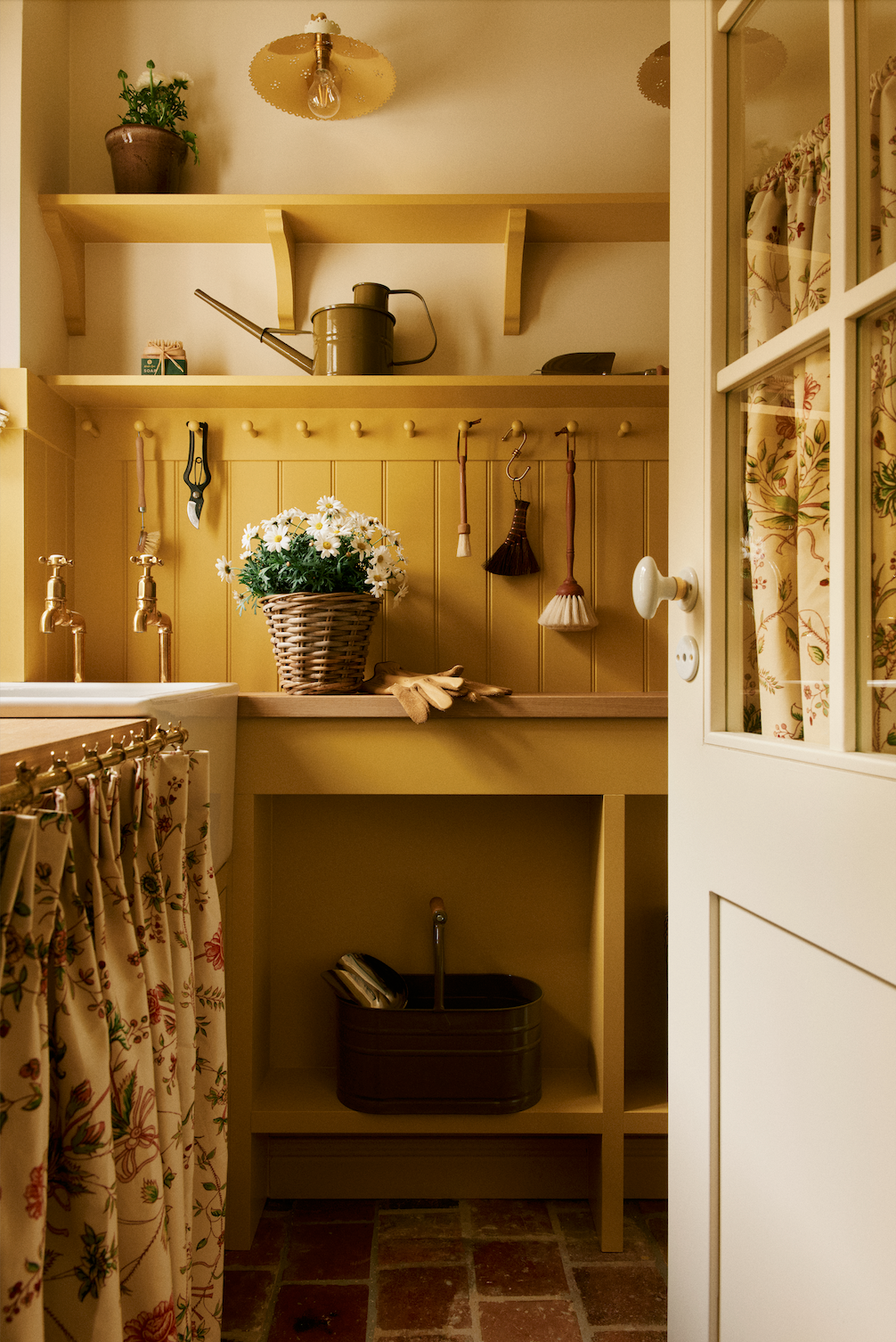
On Paint
Do you have any paint colours you find yourself returning to again and again?
I'm naturally drawn to soft, muted colours that change beautifully with the light. Warm off-whites, earthy greens and subtle stone tones are colours I return to again and again because they create depth without overwhelming a space.
I particularly love paints from Little Greene and Farrow & Ball. Their colours have an incredible richness and softness that fit perfectly with the timeless, layered interiors I like to create. Rather than following trends, I choose colours that will still feel beautiful ten or twenty years from now.
Featured collection
Lighting